
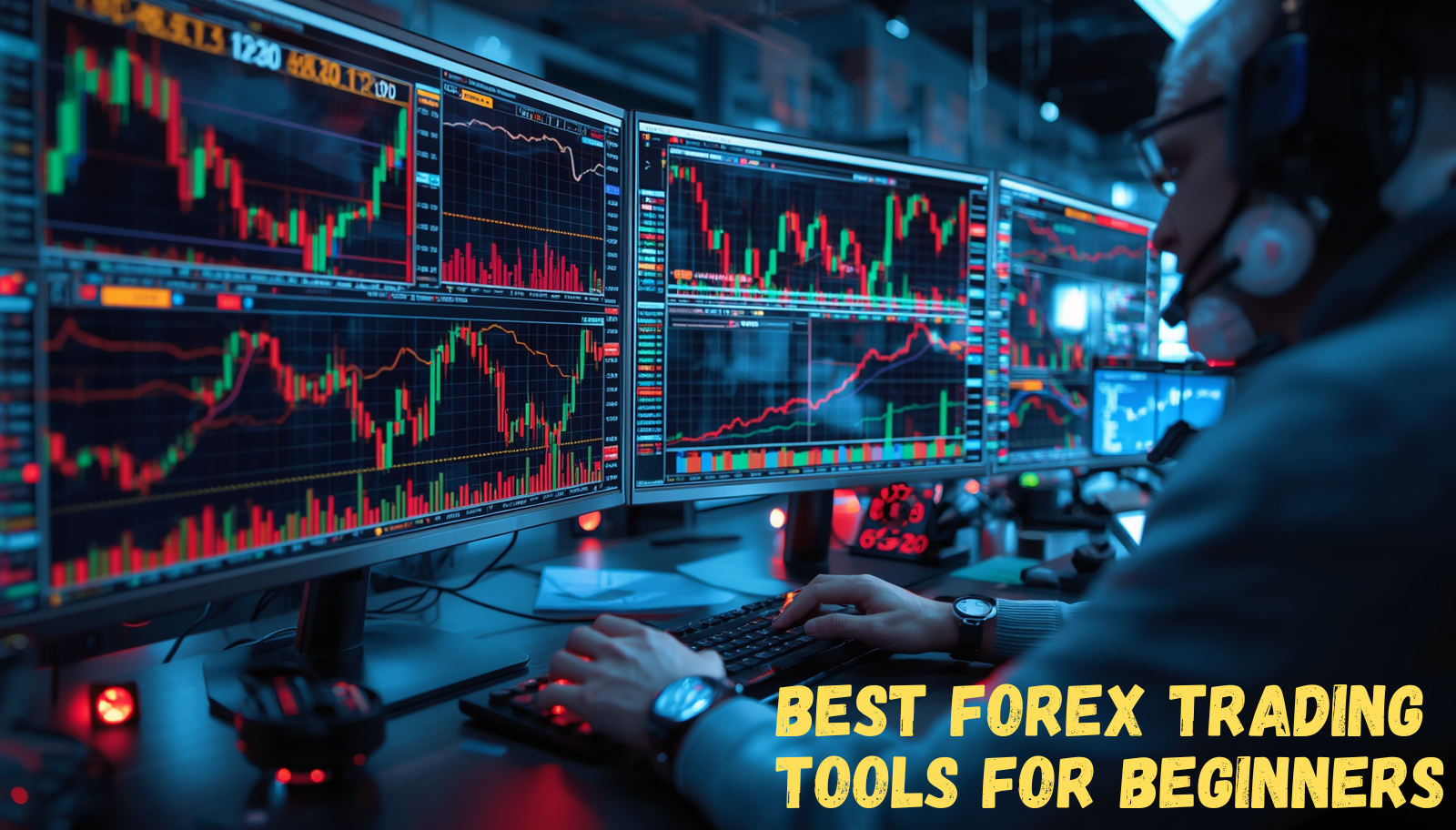
1. Introduction: Why Tools Matter in Forex Trading
Forex trading can feel overwhelming for beginners. With thousands of trades happening every second across the global market, it’s easy to feel lost without the right guidance. This is where trading tools become essential. The right tools help beginners navigate the complex world of Forex trading by giving them clear insights into market traffic—the flow of activity measured through volume, liquidity, and momentum.
Understanding volume allows traders to see how much activity is happening in a currency pair, helping identify strong trends versus weak movements. Liquidity shows how easily you can enter or exit a trade without affecting the price, ensuring smoother transactions. Momentum helps gauge the speed and strength of price movements, which is critical for timing entries and exits effectively. Together, these three elements form the backbone of market traffic, and mastering them is the first step toward building a strategic and controlled trading approach.
By leveraging the right tools, beginners can transform market data into actionable insights. These tools not only make trading more manageable but also guide traders toward profit optimization by helping them make informed, confident decisions. In short, the right tools give you the ability to see the market clearly, act decisively, and refine your strategy over time.
Hook: Start your journey to dominate the Forex trading market by leveraging the right trading tools. With the proper tools at your fingertips, you’re not just trading—you’re learning to control market traffic, optimize your strategy, and maximize profits from the very beginning.
2. Understanding Market Traffic: Volume, Liquidity, and Momentum
Before diving into trading, it’s crucial for beginners to understand market traffic—the flow and intensity of activity in the Forex market. Market traffic is a combination of three core elements: volume, liquidity, and momentum. Together, these factors determine how prices move and how profitable trades can be.
1. Volume:
Volume represents the total number of trades or the amount of currency being bought and sold in a given period. High volume indicates active trading and strong market interest, while low volume suggests limited activity and weaker price movements. For beginners, tracking volume helps identify trends that are likely to continue versus short-lived fluctuations that could lead to losses.
2. Liquidity:
Liquidity measures how easily a trader can enter or exit a position without causing a significant price change. Highly liquid currency pairs, like EUR/USD, allow for smoother trades with minimal slippage. Low liquidity can make trading riskier, as even small trades can impact the market price. Understanding liquidity helps beginners avoid being trapped in positions and maintain better control over their strategy.
3. Momentum:
Momentum reflects the speed and strength of price movement. When momentum is strong, prices move rapidly in a particular direction, offering potential trading opportunities. Weak momentum signals indecision in the market. Monitoring momentum enables traders to time their entries and exits more effectively, reducing the risk of premature trades.
Why Beginners Should Monitor Market Traffic:
Ignoring volume, liquidity, and momentum can lead to unnecessary losses, missed opportunities, and poor trading decisions. Beginners often make the mistake of trading solely based on price charts without considering the underlying market activity. By tracking these metrics, traders gain insight into the true strength and direction of market moves, allowing them to act with confidence.
How Tools Simplify Traffic Tracking:
Fortunately, modern Forex trading tools make monitoring market traffic simple and actionable. Trading platforms, charting software, and indicators can automatically display volume spikes, liquidity levels, and momentum trends. With these tools, beginners can quickly assess market conditions, spot potential trading opportunities, and execute their strategy with precision. Essentially, these tools turn complex market data into clear, easy-to-use insights, helping traders dominate the market from the start.
By understanding and monitoring market traffic, beginners not only protect themselves from losses but also lay the foundation for a strategic and controlled approach to Forex trading, ultimately driving better profit optimization.
3. Trading Platforms for Beginners
Choosing the right trading platform is one of the first and most important decisions for any beginner in Forex trading. A platform acts as your gateway to the market, providing access to charts, tools, and data that help you track market traffic—volume, liquidity, and momentum. Using the right platform not only makes trading easier but also sets the stage for strategy, control, and profit optimization.
Popular Beginner-Friendly Platforms
- MetaTrader 4 (MT4) & MetaTrader 5 (MT5)
- MT4 is widely recognized for its simplicity and reliability, making it ideal for beginners.
- MT5 offers more advanced features, including additional timeframes, economic calendars, and more built-in indicators.
- Both platforms allow traders to monitor volume indicators, track price momentum, and analyze market depth, making them perfect for mastering traffic insights.
- Features like automated trading through Expert Advisors (EAs) help beginners act on market traffic signals without constantly monitoring charts.
- TradingView
- Known for its user-friendly interface and web-based accessibility, TradingView is excellent for beginners who prefer visual charting tools.
- Its vast library of indicators includes volume analysis, momentum oscillators, and liquidity tracking tools.
- Social features like community scripts and ideas help beginners learn how others interpret market traffic, making learning faster and more practical.
- cTrader
- cTrader is designed for traders who want a professional-level view of market depth and liquidity.
- It offers Level II pricing and advanced order types, which help traders understand where liquidity is concentrated in the market.
- Beginners can leverage cTrader’s detailed traffic analysis tools to identify high-probability trades with better control over their strategy.
Features to Look for in a Platform
When choosing a platform as a beginner, consider the following to ensure it supports your Traffic Domination approach:
- Traffic Analysis Tools: Look for built-in indicators that track volume, momentum, and liquidity.
- Ease of Use: Beginners benefit from platforms that have a clean interface, simple navigation, and easy charting options.
- Charting Flexibility: Multiple timeframes and chart types allow you to see market trends clearly.
- Automation Capabilities: Features like automated trading or alerts help execute strategies based on market traffic without hesitation.
- Analytics & Reporting: Some platforms provide trade history analysis and performance metrics, essential for refining strategy and optimizing profits.
By selecting the right platform, beginners gain the ability to monitor market traffic in real time, make informed decisions, and build a strategic approach from day one. Remember, the best platform is one that helps you see the market clearly, act decisively, and maintain control—all key pillars of traffic domination in Forex trading.
4. Charting Tools and Indicators
To dominate the Forex trading market, beginners need more than just a trading platform—they need the ability to read and interpret charts effectively. Charting tools and indicators help you track market traffic by visualizing volume, liquidity, and momentum, which are the foundations of strategic control and profit optimization.
Essential Charting Tools for Beginners
- Candlestick Charts
- Candlestick charts are the most popular charting method for Forex traders.Each candlestick shows the opening, closing, high, and low prices within a specific time frame.
- Candlesticks help beginners see momentum shifts, trend reversals, and price patterns, making it easier to interpret market traffic visually.
- Line Charts
- Line charts are simpler and connect closing prices over a period.
- They are ideal for beginners to spot trends quickly without getting overwhelmed by detailed price action.
- Bar Charts
- Bar charts show high, low, opening, and closing prices for each time period, similar to candlesticks but in a bar format.
- Useful for tracking momentum and volatility in the market.
Key Indicators for Beginners
To fully understand market traffic, beginners should combine charting with key indicators:
- Volume Indicators
- On-Balance Volume (OBV): Tracks cumulative buying and selling pressure to show whether volume supports a trend.
- Volume Profile: Displays volume at different price levels, helping identify support and resistance zones where liquidity is concentrated.
- Momentum Indicators
- Relative Strength Index (RSI): Measures the speed and change of price movements to indicate overbought or oversold conditions.
- MACD (Moving Average Convergence Divergence): Shows trend direction and momentum strength, helping traders time entries and exits.
- Liquidity Tools
- Order Book: Displays active buy and sell orders at different price levels, showing where liquidity is concentrated.
- Market Depth: Provides insight into the number of orders and their sizes at various price points, helping avoid trading during low liquidity periods.
Combining Indicators for Traffic Domination
Using these tools and indicators together allows beginners to analyze market traffic from multiple angles:
- Volume indicators confirm whether a price trend is supported by real market activity.
- Momentum indicators show the speed and strength of price movements, helping time trades for maximum impact.
- Liquidity tools ensure trades are executed efficiently, minimizing slippage and risk.
By integrating charts and indicators, beginners can make informed trading decisions that align with the principles of Traffic Domination: monitoring volume, liquidity, and momentum to maintain strategy, control, and optimize profits. Instead of guessing market moves, these tools provide actionable insights that help you trade confidently and consistently.
5. Economic Calendars and News Tools
In Forex trading, the market is constantly influenced by economic events, geopolitical developments, and central bank decisions. For beginners, understanding how news impacts market traffic—volume, liquidity, and momentum—is essential for making strategic trades and avoiding unnecessary losses.
How News Drives Market Traffic
- Volume Spikes
- High-impact news often triggers sudden increases in trading volume as traders react to new information.
- For example, an interest rate announcement by the Federal Reserve can cause a massive surge in EUR/USD or USD/JPY volume.
- Momentum Changes
- News events can accelerate price movements, creating strong momentum in one direction.
- Recognizing these momentum shifts allows traders to enter trades at the right time and ride trends efficiently.
- Liquidity Shifts
- During major news events, liquidity can either increase (more traders entering the market) or decrease (some brokers widen spreads).
- Monitoring liquidity helps beginners avoid slippage and execute trades with better control.
By tracking these three elements, traders can see how traffic flows in real-time, which is critical for maintaining a strategic and controlled approach to trading.
Top Tools for Beginners
- Forex Factory Calendar
- A highly popular tool that lists all upcoming economic events with their expected impact.
- Features include: event time, affected currency pairs, and market sentiment predictions.
- Investing.com Economic Calendar
- Provides detailed forecasts, actual outcomes, and historical data for major economic events.
- Offers real-time alerts so beginners can prepare before the market reacts.
These tools allow beginners to stay ahead of market traffic, identifying periods of high volume, liquidity changes, and potential momentum swings.
Timing Trades Strategically
- By using economic calendars, beginners can plan trades around high-impact news events rather than reacting impulsively.
- Example strategy: Avoid opening large positions just before an unexpected central bank announcement, or use scheduled news releases to ride momentum in a trending direction.
- Combining these insights with charting and volume/momentum indicators ensures a well-rounded, traffic-aware trading strategy.
Using economic calendars and news tools effectively helps beginners gain control over market timing, reduce risk, and optimize profits—key elements of the Traffic Domination approach.
6. Risk Management Tools
Even the best trading strategies can fail without proper risk management. For beginners, learning to control losses and protect profits is just as important as identifying opportunities in the market. Risk management tools allow traders to manage market traffic effectively—ensuring that volume, liquidity, and momentum work in their favor rather than against them.
Essential Risk Management Tools for Beginners
- Stop-Loss Orders
- A stop-loss automatically closes a trade at a predetermined price to limit potential losses.
- Helps beginners avoid emotional decision-making when market traffic suddenly spikes or momentum shifts unexpectedly.
- Take-Profit Orders
- A take-profit closes a trade when it reaches a desired profit level.
- Ensures that traders lock in gains during strong market momentum without having to monitor charts constantly.
- Position Sizing Tools
- Position sizing determines how much capital to risk on each trade.
- Tools calculate the optimal trade size based on account balance, stop-loss distance, and risk tolerance.
- Helps beginners maintain strategy consistency even during high-volume or low-liquidity conditions.
Examples of Beginner-Friendly Risk Management Tools
- Myfxbook – Tracks trade performance, calculates risk metrics, and provides analytics to optimize future trades.
- TradeBench – Offers position sizing calculators, trade journaling, and risk-reward analysis.
- Risk Calculator Tools – Standalone calculators that quickly determine the right lot size based on account size and stop-loss levels.
Why Risk Management Ties Into Domination
In Forex trading, domination isn’t just about entering profitable trades—it’s about controlling losses, staying disciplined, and maintaining strategy under all market conditions. Proper use of risk management tools ensures:
- You never overexpose your account during sudden volume spikes.
- You maintain control even when liquidity is low or slippage occurs.
- Momentum-driven moves don’t catch you off guard, protecting profits and sustaining long-term growth.
By integrating stop-loss, take-profit, and position sizing tools into your trading routine, beginners can trade with confidence, making decisions aligned with Traffic Domination principles: monitor market traffic, maintain control, and optimize profits systematically.
7. Automated Tools and Trading Bots
For beginners, keeping up with the constant flow of the Forex trading market can be overwhelming. Prices move quickly, liquidity changes, and momentum shifts can happen within seconds. This is where automated trading tools and bots come into play. These tools allow traders to monitor and react to market traffic automatically, giving them a strategic edge even when they’re not actively watching the charts.
How Automated Tools Help Beginners
- Automatic Monitoring of Market Traffic
- Bots can track volume spikes, momentum changes, and liquidity shifts across multiple currency pairs in real-time.
- This means beginners don’t have to manually monitor charts 24/7—they get alerts or even automated trades based on predefined rules.
- Executing Trades Faster than Manual Trading
- In fast-moving markets, even a few seconds can make the difference between profit and loss.
- Automated tools react instantly to changes in traffic indicators, such as sudden high-volume moves or low-liquidity conditions, ensuring that trades are executed at the optimal moment.
- Consistency in Strategy
- Bots follow pre-set rules without emotional bias, helping beginners stick to their strategy and risk management plan.
- This aligns perfectly with Traffic Domination principles, where control and discipline are key to maximizing profits.
Pros for Beginners
- Saves Time: No need to constantly monitor multiple charts.
- Reduces Emotional Trading: Bots trade based on logic and rules, avoiding impulsive decisions.
- Quick Reaction: Automatically acts on high-volume, high-momentum opportunities.
Cons for Beginners
- Learning Curve: Setting up bots and defining strategies requires some initial learning.
- Over-Reliance: Beginners might neglect learning market fundamentals if they depend entirely on automation.
- Market Risks: Bots can’t predict unexpected news or liquidity crises, so risk management is still crucial.
Link to Volume, Liquidity, and Momentum
Automated tools excel at tracking and reacting to market traffic:
- Volume: Bots detect unusual spikes that may signal the start of a strong trend.
- Momentum: They can enter or exit trades when momentum indicators reach predefined thresholds.
- Liquidity: Bots can adjust trade execution to avoid slippage in low-liquidity conditions.
By combining automation with proper traffic analysis and risk management, beginners can achieve a higher level of strategy, control, and profit optimization. Essentially, bots serve as an extension of the trader’s tools, giving them the ability to dominate the market traffic without being tied to their screen all day.
Technical Analysis vs Fundamental Analysis: Which Is Better?
8. Journaling and Analytics Tools
One of the most overlooked aspects of Forex trading for beginners is tracking and analyzing trades. Without a clear record, it’s nearly impossible to understand what works, what doesn’t, and how to improve. Journaling and analytics tools give traders a structured way to review their trades, learn from market traffic patterns, and gradually refine their strategy for control and profit optimization.
Why Trade Journaling Matters
- Improves Strategy
- Recording trades allows beginners to identify recurring mistakes, such as entering trades during low-liquidity periods or ignoring momentum signals.
- By analyzing past trades, traders can fine-tune entries, exits, and position sizes for more effective market domination.
- Optimizes Profit
- Journals help track risk-reward ratios, win/loss percentages, and average profits, making it easier to spot which strategies generate consistent gains.
- Understanding traffic patterns, such as how volume spikes or liquidity changes influenced past trades, allows for more profitable decision-making in the future.
- Encourages Discipline
- Consistently journaling trades instills a habit of reviewing and evaluating decisions, preventing emotional or impulsive trading.
- Discipline is a key pillar of Traffic Domination, ensuring beginners maintain control even during volatile markets.
Beginner-Friendly Journaling and Analytics Tools
- Edgewonk
- A dedicated trade journaling platform that tracks performance metrics and provides detailed analytics.
- Helps beginners understand how market traffic—volume, liquidity, and momentum—affects trade outcomes.
- TraderVue
- Offers trade logging, performance reports, and strategy analysis.
- Enables beginners to visualize trends, review mistakes, and adjust strategies for better market control.
Reviewing Market Traffic Patterns
- By combining trade journaling with analysis of volume, liquidity, and momentum, beginners can:
- Identify which trades succeeded during high-volume periods.
- Recognize momentum signals that led to profitable trades.
- Avoid trades during low-liquidity conditions that caused slippage or losses.
- Over time, reviewing these patterns builds a data-driven approach to trading, where decisions are based on insights rather than guesswork.
In essence, journaling and analytics tools transform raw trade data into actionable intelligence. For beginners, this means faster learning, better strategy refinement, and the ability to dominate market traffic consistently while optimizing profits.
9. Combining Tools for Maximum Traffic Domination
Success in Forex trading doesn’t come from using just one tool—it comes from integrating multiple tools to gain a complete view of the market. Beginners who learn to combine platforms, charts, news, risk management, and automation tools can monitor market traffic effectively, make informed decisions, and achieve strategic control for profit optimization.
Step-by-Step Approach for Beginners
- Monitor Market Traffic with Charts and Volume Indicators
- Start with your trading platform and charting tools like MetaTrader, TradingView, or cTrader.
- Use volume indicators (On-Balance Volume, Volume Profile) and momentum indicators (RSI, MACD) to identify active trends and high-probability trades.
- This step ensures you understand how volume, liquidity, and momentum are shaping market activity before placing trades.
- Track News for Liquidity Spikes
- Use economic calendars such as Forex Factory or Investing.com to stay aware of high-impact news events.
- Plan trades around news to either take advantage of volume spikes and momentum shifts or avoid entering during periods of low liquidity and unpredictable price swings.
- Apply Risk Management
- Incorporate tools for stop-loss, take-profit, and position sizing to control exposure.
- Even when market traffic is favorable, proper risk management protects your account from unexpected moves, ensuring your strategy remains intact.
- Optimize Strategy Using Journaling and Analytics
- Record trades and outcomes in tools like Edgewonk or TraderVue.
- Analyze patterns in volume, momentum, and liquidity over time to refine your entries, exits, and position sizes.
- This continuous review helps beginners transform insights into a repeatable, data-driven strategy.
10. Conclusion: Mastering Forex Trading as a Beginner
Forex trading can be challenging for beginners, but with the right tools and approach, it becomes much more manageable and strategic. Throughout this guide, we’ve explored how platforms, charts, indicators, economic calendars, risk management tools, automation, and analytics all work together to help traders understand and control market traffic—the combination of volume, liquidity, and momentum that drives price movements.
Recap: The Power of the Right Tools
- Charts and Indicators help track market activity and identify high-probability trades.
- News and Economic Calendars reveal liquidity spikes and momentum shifts caused by global events.
- Risk Management Tools protect your account and ensure disciplined trading.
- Automation Tools react instantly to market traffic, maximizing opportunities.
- Journaling and Analytics provide a feedback loop to refine strategy and optimize profits.
By mastering these tools, beginners gain the ability to analyze, predict, and react to market traffic confidently. This leads to better strategy, control, and consistent profit optimization, turning learning into tangible trading success.
Call-to-Action: Take Control Today
The key to dominating Forex trading market traffic is not just knowing about these tools—it’s using them consistently. Start by selecting the platforms and tools that best fit your trading style. Track your trades, review your results, and refine your strategy based on real market data. Over time, this disciplined approach will help you:
- Make informed decisions based on volume, liquidity, and momentum.
- Maintain control even during high-volatility conditions.
- Optimize profits through strategic, data-driven trading.
Start your journey to dominate the Forex trading market today. Leverage these tools, understand market traffic, and build a strong foundation for long-term trading success. Remember, Traffic Domination is not just about following trends—it’s about mastering the tools and principles that let you control the market and achieve consistent profitability.